Like so many of us, I enjoyed watching the Olympics. It brought back memories from my teenage years - a bit of background, but I went to four different high schools (in three countries) and I signed up for school sports to make friends.
For example, in my junior year, I joined the Track & Field team. I had never tried the sport, but it was the only team where you didn't have to qualify. Everyone could go to practice, choose a category and only the top 2-3 students in each group would compete. It was pretty cool.

Every Monday we had to run sprints for two hours - basically races where you ran the however-many-yard-dash quicker and quicker. The rest of the week, we'd do a warm up run for 30 minutes and then practice our individual categories. I chose long jump and high jump. Both were fun and relatively easy once you got the hang of it.
So two things that I'd like to highlight....
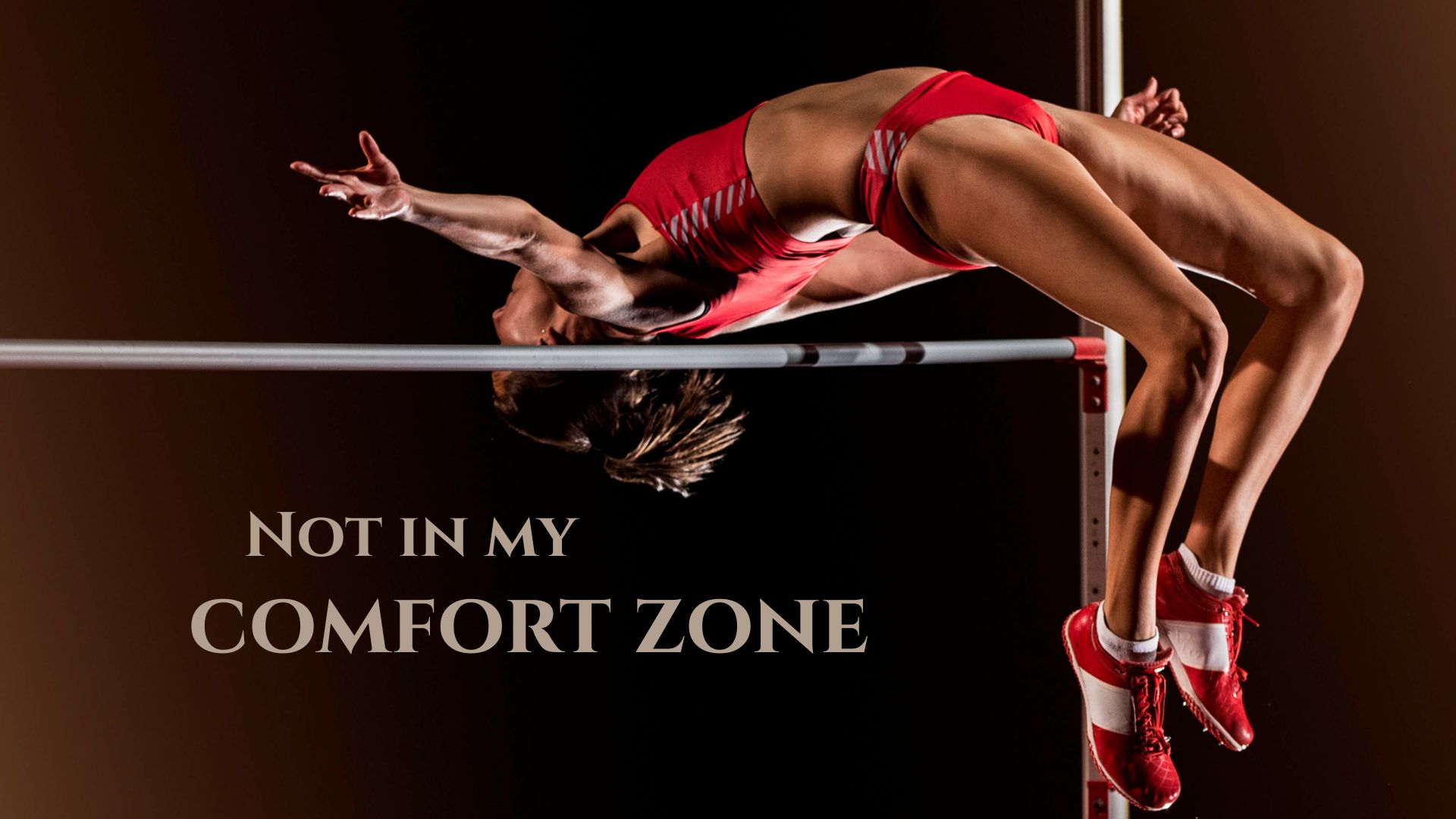
🫶🏻 First, oddball happening - I did surprisingly well with the high jump, participating in the actual competitions and even taking home first place. Until I freaked out about the height and twist of it all - I must have panicked, or maybe my body did, and after winning first place one week, I never again cleared the starting height on that bar. 👉🏻Mental clarity, objectivity and purpose are super important.
I loved the idea of the high jump and I enjoyed mapping out each of my steps on my way to the bar (that's how you know where to jump), but I didn't appreciate risking my neck. And that is how it felt - you'd land on your upper back, turn your head slightly, roll through your neck-shoulder, and then roll off the cushion.
So I dropped out of the high jump and stuck with long jump that year. It was fun.
🫶🏻 Second ... when I think back to the training for sprints, jumping and anything else, our coach would have us improve our technique rather than put more energy and force into the race. Those infernal Mondays where we ran endless sprints, to start out he'd say: use 50% of your energy, or 60%, or 70% of your energy - but never more than 85% of your energy... and honestly we laughed, trying to get those percentages right.
No matter what happened, we had to keep 15% of our energy for ourselves. Any improvements beyond that 80-85% (which was what we competed on) had to come from your technique. How you move your legs and elbows. Getting to know your joints, and going through the movements faster, without putting in more energy.
How can we apply this?
The obvious answer is to keep a generous dose of energy for yourself and to do things to improve your life skills: coaching, therapy, communications training, organizational skills, see a nutritionist for health tips, or work on your priority-setting. Say no and avoid burning out. Improve your soft skills, invest in yourself and improve your technique.
I'm not an Olympic athlete and I can't guarantee that you'll win first place in life, but we're not competing. Just doing better for ourselves. Less overdrive, more joy.

And if there is something that you love, but that you're scared of, dig deep and find out why. Maybe it's just fear, or maybe, it's something tangible that you're not aware of. In my case, about 6-7 years later, I discovered minor issues that affect my lower back and neck; the high jump was fun, but it wasn’t the best thing for me.
I thought back to this recently and I wanted to share. Enjoy the blog! Read my books to free yourself; they both focus on hang-ups and insecurities that keep us down. Playing sports made it into my Chakra Healing & Magick book; have a look at the Solar Plexus quiz, and shining in the world🌻
Now in English and Spanish 🔥🔥
Reiki hugs,
Regina
ps ... I reposted this on Linked In
***